Accurate Puppy Birth Dates with Canine Pregnancy Calculator: A Practical Guide
For experienced hobbyists who track breeding cycles, a canine pregnancy calculator can pinpoint the expected whelping day within a one‑to‑two‑day margin, turning a vague 63‑day gestation window into a reliable schedule. By entering the exact mating date and, when known, the sire’s and dam’s breed specifics, the tool applies species‑wide gestational data and breed‑adjusted modifiers to generate a projected birth date that aligns with veterinary best practices.
How the Calculator Translates Dates into Forecasts
The algorithm behind most calculators starts with the standard 63‑day gestation period for dogs, then adjusts for variables such as litter size, breed‑related gestational length, and ovulation timing. Users input the day of confirmed breeding (or the day of observed estrus if exact breeding is unknown). The calculator then adds the baseline gestation days, applies any breed‑specific offset (e.g., larger breeds averaging slightly longer gestations), and outputs a single calendar date plus a ±1‑day confidence interval.
Key Factors That Influence Accuracy
Even the best calculators can be thrown off by three common variables:
- Ovulation uncertainty: If the dam was bred before or after true ovulation, the actual conception date may shift by 1–2 days.
- Breed variance: While the 63‑day average is reliable for most medium‑sized dogs, giant breeds like Great Danes often deliver after 64‑65 days, and toy breeds may finish a day earlier.
- Multiple matings: When a dam is bred over several days, the calculator typically uses the first successful insemination, which can under‑estimate the gestation length if later matings were the effective ones.
Understanding these nuances lets hobbyists calibrate the calculator’s output against their own breeding records, improving predictability for each whelping cycle.
Manual Estimates vs. Calculator Output
Traditional methods rely on counting days from the presumed ovulation point or using a simple “63 days later” rule. Those approaches treat every pregnancy as identical, ignoring breed‑specific trends and litter‑size effects. In contrast, a digital calculator incorporates a weighted dataset drawn from thousands of documented litters, delivering a forecast that typically lands within a single day of the actual birth date—far tighter than the ±3‑day spread of manual counting.
Practical Tips for Using the Predicted Date
Once the calculator supplies a target date, seasoned hobbyists can fine‑tune their care plan:
- Begin a progressive diet shift at day 45 to support fetal growth.
- Schedule a veterinary check‑up around day 55 to confirm fetal heartbeat via ultrasound.
- Prepare the whelping area at least three days before the projected date, accounting for the calculator’s confidence window.
- Monitor the dam for subtle signs—nesting behavior, temperature drop, or increased restlessness—especially in the final 24‑hour window.
Implications for Breeding Management
Accurate birth‑date forecasts reduce uncertainty for kennel owners, enabling better allocation of resources such as supplemental nutrition, veterinary staffing, and marketing of upcoming litters. By narrowing the whelping window, hobbyists can also minimize stress on the dam, as environments are prepared well in advance rather than hastily assembled at the last minute. The cumulative effect is healthier puppies, smoother deliveries, and more predictable timelines for both breeding programs and prospective owners.
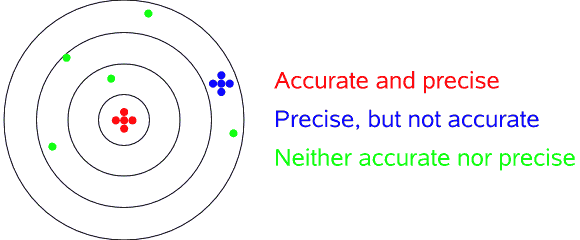
Is AccuWeather More Accurate Than NHC? Critics Call Study Unscientific

Is AccuWeather more accurate than NHC? Critics call study unscientific
Measurement Uncertainty, Accuracy, And Precision | Chemistry: Atoms First
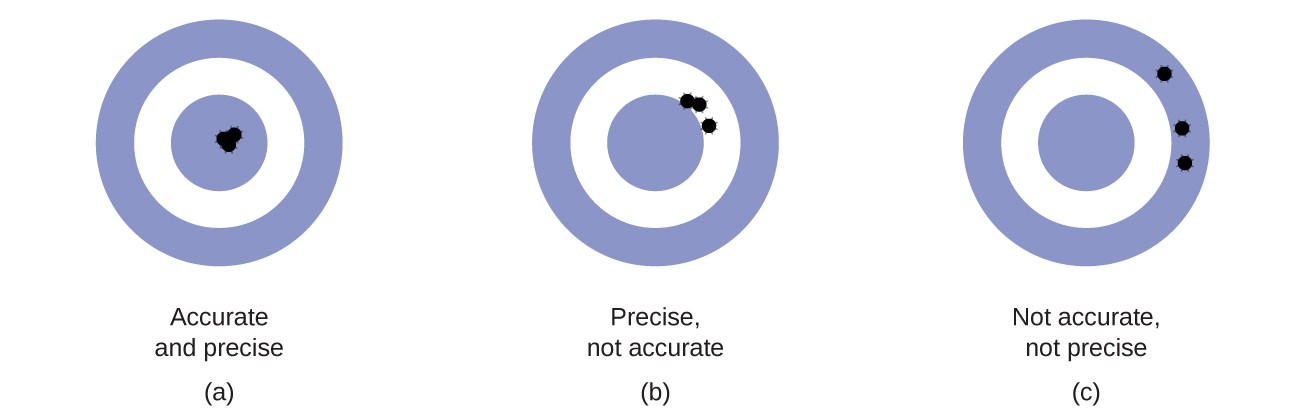
Measurement Uncertainty, Accuracy, and Precision | Chemistry: Atoms First
Explain The Difference Between Precision And Accuracy. Also Illustrate

Explain the difference between precision and accuracy. Also illustrate ...
Georeferencing Best Practices
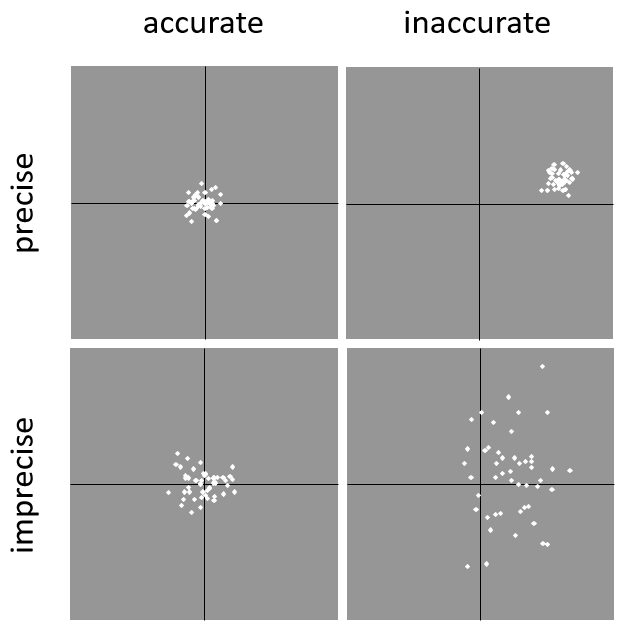
Georeferencing Best Practices