
The Ultimate Guide to Hijri and Miladi Calendar Systems: Pros, Trade‑offs, and Real‑World Expectations
For anyone who juggles religious observances, international travel, or global business, mastering the interplay between the Hijri (Islamic lunar) calendar and the Miladi (Gregorian) calendar is less a curiosity and more a daily necessity. This guide breaks down the strengths and limitations of each system, offering seasoned hobbyists a realistic roadmap for synchronising dates, planning events, and avoiding common pitfalls.
When planning a cross‑culture festival: aligning lunar and solar dates
The Hijri calendar advances about 10‑12 days each solar year because it follows twelve lunar cycles of roughly 29.5 days. Consequently, Ramadan, Eid al‑Fitr, and Eid al‑Adha drift through the seasons, appearing in winter one decade and summer the next. This fluidity can enrich a multicultural festival by introducing seasonal variety, but it also means that venue availability, climate considerations, and daylight hours must be recalculated each year.
In contrast, the Miladi calendar is fixed to the solar year, keeping holidays like Independence Day or Thanksgiving on the same Gregorian date annually. The predictability simplifies logistics—contracts, permits, and marketing timelines can be locked in well in advance. However, relying solely on the Miladi framework may cause missed opportunities for communities that observe Hijri dates, especially in regions where lunar holidays are central to cultural identity.
If you’re tracking a personal fasting schedule: realistic expectations for timekeeping
Fasting during Ramadan depends on sunrise and sunset, which shift daily and are tied to the Hijri month’s position in the solar cycle. Modern smartphone apps now convert Hijri dates to local sunrise times with minute‑level accuracy, but they still require occasional verification against official moon‑sighting announcements, especially in countries that base the start of Ramadan on visual sightings rather than astronomical calculations.
Miladi calendars can record the Gregorian dates of Ramadan, yet they cannot predict the exact fasting windows without supplemental solar data. Hobbyists should therefore treat the Miladi calendar as a reference sheet and rely on a dedicated Hijri almanac or verified astronomical data for day‑to‑day fasting times.
When managing an international project timeline: balancing precision and flexibility
Project managers often default to the Miladi calendar for its alignment with most global business tools—Microsoft Project, Gantt charts, and ISO‑8601 date formats all assume a Gregorian framework. This uniformity ensures that milestones, deliverable due dates, and compliance reporting remain consistent across jurisdictions.
Introducing Hijri dates into a project schedule adds a layer of cultural sensitivity that can improve stakeholder engagement. The trade‑off is the need for dual‑date tracking: each deliverable may carry both a Gregorian deadline and its corresponding Hijri equivalent. Automated conversion scripts can mitigate manual errors, but they require maintenance whenever calendar libraries are updated.
If you’re a historian or genealogist: interpreting archival records accurately
Older documents from Muslim‑majority regions often cite dates exclusively in the Hijri system. Converting these to Miladi dates is essential for chronological analysis, yet the conversion is not one‑to‑one because the Hijri year is shorter. Researchers must account for a margin of error—typically a few days—when aligning events with Gregorian timelines.
Digital archives now embed both calendars in metadata, but legacy records still demand manual cross‑referencing. A pragmatic approach is to annotate each Hijri entry with its most probable Gregorian range, noting the uncertainty, then use that range to place the event within broader historical narratives.
When setting personal milestones: choosing the calendar that matches your life rhythm
Birthdays, anniversaries, and personal goals can be celebrated according to either calendar. Selecting a Hijri date for a birthday honours religious tradition and creates a moving celebration that reflects the lunar cycle’s subtle influence on daily life. Conversely, a Gregorian date offers the convenience of a fixed annual reminder, which is useful for planning travel or financial budgeting.
For hobbyists who enjoy experimenting with time, alternating between the two calendars each year can provide fresh perspectives—tracking a fitness goal by lunar phases one season, then switching to solar seasons the next. The key is to set expectations: the Hijri calendar will not align with solar events, and the Miladi calendar will not convey the spiritual cadence that many cherish.
Practical takeaway: integrating both systems without overcomplicating
Successful navigation of Hijri and Miladi calendars rests on three pillars:
- Dual‑date documentation: Record both Hijri and Gregorian dates for any event that has cross‑cultural relevance.
- Reliable conversion tools: Use vetted software that accounts for regional moon‑sighting variations rather than relying on a single algorithm.
- Context‑aware planning: Recognise when the fluid nature of the Hijri calendar adds value (cultural festivals, religious observances) and when the steadiness of the Miladi calendar is essential (business contracts, legal deadlines).
By acknowledging each calendar’s inherent strengths and limitations, seasoned hobbyists can turn the complexity of operating across two time‑keeping traditions into a strategic advantage rather than a source of confusion.
PRIDE AND PREJUDICE Jane Austen Claremont Classics 1999 Vintage
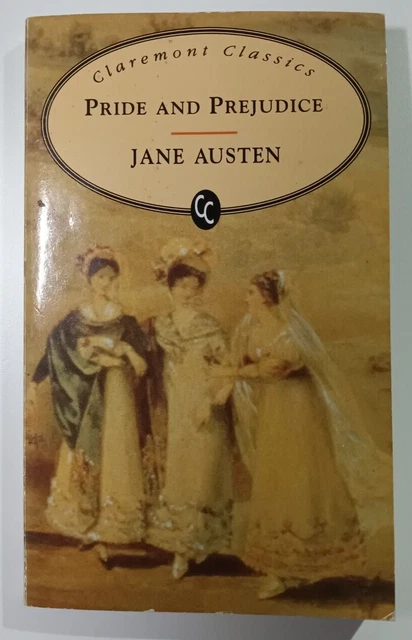
PRIDE AND PREJUDICE Jane Austen Claremont Classics 1999 Vintage ...
Pride & Prejudice By Jane Austen First Edition For Publisher 1949 W
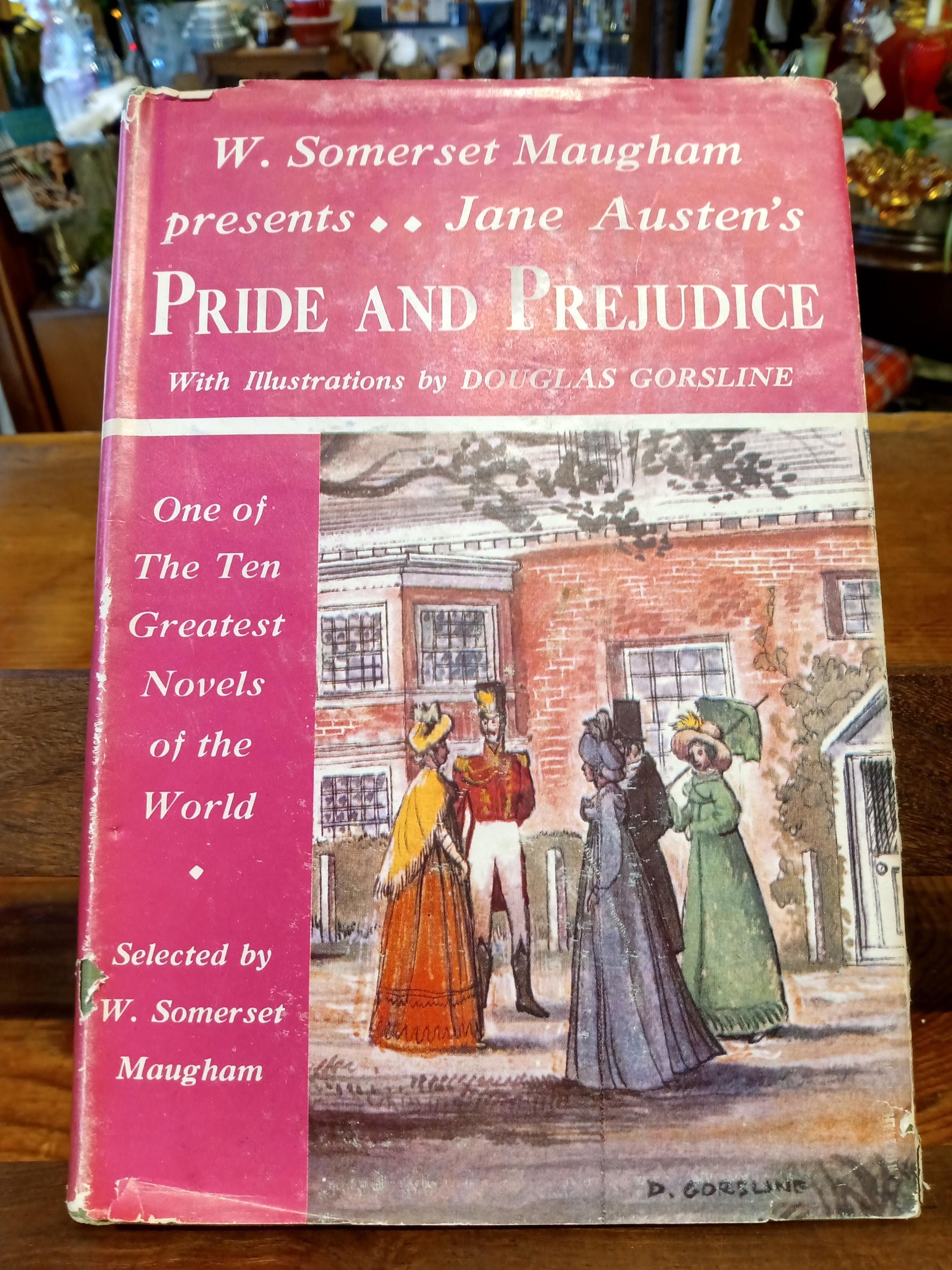
Pride & Prejudice by Jane Austen First Edition for Publisher 1949 W ...
Pride & Prejudice EBook By Jane Austen - EPUB | Rakuten Kobo New Zealand
Pride & Prejudice eBook by Jane Austen - EPUB | Rakuten Kobo New Zealand
Amazon | Pride And Prejudice (Bbc Series) | Austen, Jane | Classics

Amazon | Pride and Prejudice (Bbc Series) | Austen, Jane | Classics
Boekenopdracht - Pride & Prejudice Van Jane Austen

Boekenopdracht - Pride & Prejudice van Jane Austen